
Maple Wood Flooring – The Complete Homeowner’s Guide
Published June 3, 2026 | Bruce® Flooring Experts
Maple wood flooring doesn’t get the headlines that oak does. It doesn’t have oak’s centuries-long legacy, its showroom ubiquity, or its forgiving stain resistance.
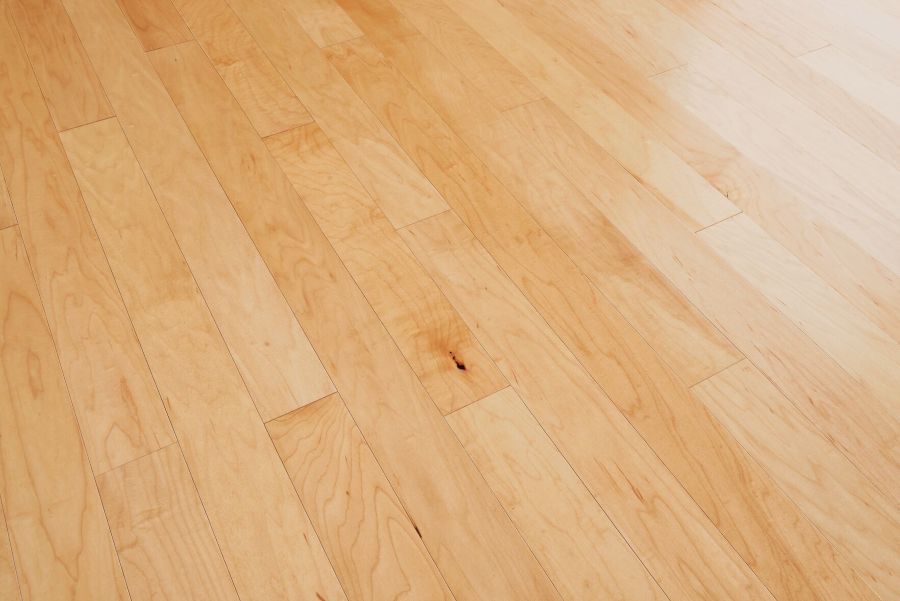
Maple wood flooring is a dense, light-colored hardwood known for its durability, fine grain, and clean, modern appearance. It’s commonly used in high-traffic environments and residential spaces where homeowners desire a bright, uniform look.
And yet, in the places where floors take the most punishment on earth, such as NBA basketball courts, collegiate gymnasiums, and professional bowling alleys, wood professionals keep reaching for maple.
That should tell you something.
This guide is for homeowners evaluating maple as a flooring option. We’ll walk you through everything:
- What makes it distinctive
- Where it shines and where it struggles
- How it stacks up against competing species
- What it costs
Ultimately, we’ll help you decide whether maple wood flooring is right for your home.
Key Takeaways: Is Maple Wood Flooring Right for You?
- Maple wood flooring is one of the hardest domestic hardwoods, making it highly resistant to dents and wear
- It has a light, clean appearance that works best in modern, minimalist, and bright interiors
- Maple is commonly used in high-impact environments like basketball courts due to its durability and consistency
- It performs best with natural or light finishes, as dark stains can appear uneven
- Engineered maple expands installation options, including basements and homes with radiant heat
- Installation costs typically range from $5 to $25 per square foot, depending on the construction type
- Maple accounts for a small share of the flooring market, making it a less common and more distinctive choice
What Is Maple Wood Flooring?
Maple is a dense, fine-grained domestic hardwood native to North America. It’s harvested primarily from hard maple (sugar maple, Acer saccharum), the same tree that produces maple syrup. It grows abundantly across the northeastern United States and Canada.
What distinguishes maple visually is what it lacks: dramatic grain. Unlike oak or hickory, maple has a tight, uniform appearance with minimal surface texture. The wood ranges in color from creamy white to pale amber. Occasionally, maple exhibits delicate figured grain patterns, such as bird’s-eye or curly, in premium cuts.
Because of this clean, controlled aesthetic, maple tends to look more contemporary and less “busy” than its hardwood peers. It’s the species designers reach for when they want the floor to serve as a neutral canvas rather than a visual focal point.
“Maple’s density and tight grain structure give it excellent resistance to surface wear, especially in high-traffic applications.”
— Travis Bjorkman, Principal Scientist (Wood), AHF
Maple Flooring is a Fast-Growing Sector in the Hardwood Market
The global market size for maple hardwood flooring was valued at approximately USD 7.5 billion in 2023. It’s projected to reach around USD 12.3 billion by 2032, growing at a 5.5% CAGR over the forecast period (Source: Data Intelo).
Maple hardwood flooring is known for its strength, longevity, and aesthetic appeal, making it a popular choice among homeowners and interior designers alike.
Here are some reasons maple wood flooring strikes a chord with homeowners.
The Case for Maple: Key Benefits
Maple brings an unusually strong combination of physical performance and visual restraint to residential flooring. Here’s what sets it apart.
Maple is the Second Hardest Domestic Species
Hard maple scores approximately 1,450 on the Janka hardness scale, the industry’s standard measure of a wood’s resistance to denting. For context, red oak sits at 1,290 and white oak at 1,360. That puts hard maple meaningfully harder than both of the most common flooring species on the market. Only hickory is harder at 1820.
Hard vs. Soft Maple
Not all maple flooring derives from hard maple. “Soft maple” is harvested from silver, red, or box elder maple species. It has a Janka rating of around 950, which is actually softer than red oak. When shopping, always confirm you’re purchasing hard maple flooring.
Maple Wood is the Choice for NBA Basketball Courts
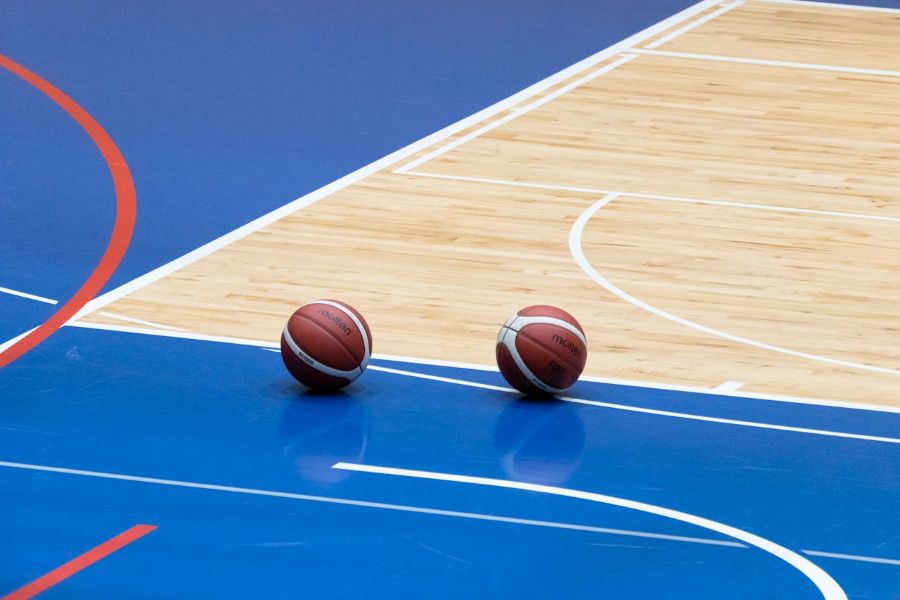
Every NBA court is made from hard maple.
Hard maple’s high Janka hardness rating resists denting and splintering under constant high-impact play. Its closed-cell grain structure provides a surface that withstands thousands of hours of use without degrading.
When installed over a sprung subfloor system, maple provides the shock absorption that protects players’ joints during hard cuts and landings. It still provides the grip and consistent bounce the game demands.
The visual case is equally practical. Maple’s light, uniform tone creates high contrast under broadcast lighting, making painted logos and court markings stand out with clarity.
The Maple Flooring Manufacturers Association (MFMA) sets the performance and milling standards for court-grade maple. The wood is sourced primarily from the northern U.S., where slower, denser growth produces tighter grain.
The same properties that make maple the choice of the NBA — hardness, consistency, and longevity — are exactly why it performs so well in your home.
Maple Flooring Has a Bright, Light-Enhancing Aesthetic
Maple’s pale, creamy tone has a functional design benefit. It reflects light. In rooms with limited natural light, maple can make a space feel meaningfully brighter and more open than darker species. This property makes maple a favorite in:
- Smaller urban apartments and condos
- North-facing rooms that receive limited sun
- Open-plan spaces where visual continuity matters
- Scandinavian, minimalist, and contemporary interiors
Maple’s Grain Pattern is Clean and Subtle
Oak’s visible grain movement is a feature for some homeowners and a distraction for others. Maple offers the opposite. You get a floor that reads as uniformly smooth, with minimal visual “noise.” This restraint increasingly aligns with current design trends toward modern, minimalist aesthetics.
Long Lifespan With Refinishing Potential
Solid maple can be sanded and refinished multiple times over its lifespan. Typically, four to six complete sand-and-refinish cycles are required before the wear layer becomes too thin. With proper care, a well-installed solid maple floor can last 75 to 100 years.
For example, Bruce® includes a lifetime residential warranty with its Kennedale solid maple hardwood flooring.
A Point of Differentiation
Maple accounts for roughly 4% of the wood flooring market by species, a fraction compared to oak’s dominance (Source: Floor Covering News). For homeowners who want a home that doesn’t look like every other renovation on the block, maple’s relative rarity is a genuine asset.
The Case Against Maple
Maple isn’t the right floor for every home or every homeowner. Before you commit, these are the trade-offs worth understanding.
Maple is Difficult to Stain
Staining maple is a significant limitation. Its dense, closed grain resists stain penetration. Applied stains, particularly darker tones, can look blotchy, uneven, and streaky in ways that don’t happen with oak. If you want a dark floor, maple is the wrong species.
The exception is factory-prefinished dark maple products. Here, the manufacturer controls the staining environment with specialized equipment not available on a job site.
Maple Shows Dirt and Debris More Readily
The same light color that brightens a room also makes dust, pet hair, and tracked debris more visible than on a medium-toned or figured floor. Homeowners who prefer low-maintenance flooring should factor in that maple requires more frequent sweeping to look its best.
Photosensitivity and Yellowing
Like many light woods, maple is photosensitive. Over time, UV exposure will shift its color, typically toward a warmer yellow-gold or amber tone. That’s a natural characteristic, not a defect. UV-blocking window treatments and protective finishes can slow the process.
Higher Installation Precision Required
Maple’s hardness makes it more difficult to cut and fasten than that of softer species. It also requires careful acclimation before installation to minimize the risk of gapping or cupping.
Solid vs. Engineered Maple Flooring
With virtually any wood flooring today, you’ll have the option of selecting solid vs. engineered hardwood. Both deliver the coveted wood look homeowners cherish. But each is built for a different purpose.
Solid Maple Flooring
Solid maple is a single plank of hard maple wood, typically 3/4 inch thick. It’s the traditional choice for above-grade installations and offers the greatest longevity in refinishing.
- Best for: living rooms, bedrooms, hallways, and main floors
- Installation: nail or staple down over a wood subfloor
- Refinishing: 4–6 complete cycles over the life of the floor
- Not suitable for: concrete slabs, basements, or over radiant heat
Engineered Maple Flooring
Engineered maple is constructed with a real maple veneer bonded over multiple layers of plywood or high-density fiberboard. The cross-ply construction dramatically improves dimensional stability, making it far less vulnerable to humidity and temperature changes.
“Engineered construction allows maple to perform in environments where solid hardwood would be at risk of movement.”
— Dave Tavacol, Brand Director, Marketing, AHF
- Best for: basements, kitchens, condos, over concrete or radiant heat
- Installation: floating, glue-down, or nail/staple-down
- Refinishing: 1–3 cycles depending on wear layer thickness
- Radiant heat: engineered is the ONLY appropriate choice as solid maple must never be used
Maple Flooring Styles and Finishes
Here’s where maple performs at its best. A natural, clear, or light satin finish preserves the wood’s inherent character — the creamy tones, the subtle grain variation, the occasional figuring. These finishes require no staining and produce the most consistent, professional-looking results.
- Matte or satin polyurethane: the most common and durable protective finish
- Oil-finished maple: penetrates the wood for a very natural, low-sheen appearance; easier to spot-repair
- UV-cured aluminum oxide: commonly factory-applied; extremely durable and scratch-resistant
Stained Maple
Light-to-medium stains, such as warm whites, light grays, and pale amber tones, can work well on maple, particularly in factory-controlled environments. Dark stains are problematic and typically not recommended for site-finished work. If you need a stained look, engineered maple with a factory-applied finish is the safer path.
Surface Textures
- Smooth: the most common and natural choice; showcases grain uniformity
- Wire-brushed: a light texture that adds subtle character without heavy distressing
- Hand-scraped or heavy-distressed: rarely produced in maple; if this is your aesthetic, look at oak or hickory
Maple vs. Other Hardwood Species
One of the most useful ways to evaluate Maple is to compare it with the alternatives you’re likely considering.
Most homeowners considering maple are also comparing it to oak, hickory, or walnut. Here’s how maple stacks up.
Maple vs. Red Oak
Red oak is the single most popular hardwood flooring species in North America. It’s generally the natural benchmark for any comparison.
| Factor | Maple | Red Oak |
| Janka Hardness | 1,450 | 1,290 |
| Grain Appearance | Fine, uniform, subtle | Bold, open, pronounced |
| Stain Compatibility | Poor, blotchy risk | Excellent, absorbs evenly |
| Best Finish | Natural/clear | Any color |
| Color Tone | Creamy white to pale amber | Pink-red to medium brown |
| Interior Style Fit | Modern, minimalist, Scandinavian | Traditional, transitional, rustic |
| Material Cost (per sq ft) | $5–$10 | $4–$8 |
Bottom line: Choose maple if you want a cleaner, more modern look and are committed to natural or light finishes. Choose red oak if you want stain flexibility, more visible grain character, or a traditional feel.
Maple vs. White Oak
White oak has surged in popularity over the past decade. That surge is driven by its compatibility with gray and cool-toned finishes and by a more contemporary grain pattern than red oak.
| Factor | Maple | White Oak |
| Janka Hardness | 1,450 | 1,360 |
| Grain Appearance | Fine, uniform | Distinctive ray fleck pattern |
| Stain Compatibility | Poor | Good to excellent |
| Moisture Resistance | Moderate | Better (more stable) |
| Color Tone | Pale, creamy | Taupe, cool beige to warm brown |
| Interior Style Fit | Minimalist, contemporary | Modern, transitional, coastal |
| Material Cost (per sq ft) | $5–$10 | $6–$12+ |
Bottom line: White oak is more versatile and offers more design flexibility. Maple competes on hardness and has a cooler, more neutral tone. If you’re budget-conscious, maple can be the more affordable route to a clean, contemporary look.
Maple vs. Hickory
Hickory is the hardest of the common domestic flooring species (1,820 Janka) and offers dramatic grain variation and color contrast.
| Factor | Maple | Hickory |
| Janka Hardness | 1,450 | 1,820 |
| Grain Appearance | Fine, uniform | Bold, dramatic, varied |
| Color Consistency | High | Low — wide variation |
| Interior Style Fit | Modern, minimalist | Rustic, farmhouse, country |
| Stain Compatibility | Poor | Moderate |
Bottom line: Maple and hickory appeal to almost opposite aesthetics. Hickory’s extreme grain variation is either a major selling point or a dealbreaker. Maple is the choice if you want quieter, more controlled surfaces.
Maple vs. Walnut
Walnut occupies the premium end of the domestic hardwood market. It’s darker, richer, and more expensive.
| Factor | Maple | Walnut |
| Janka Hardness | 1,450 | 1,010 |
| Color Tone | Light, pale | Deep chocolate brown |
| Interior Style Fit | Modern, light-filled spaces | Luxury, warm contemporary |
| Material Cost (per sq ft) | $5–$10 | $8–$15+ |
Bottom line: Walnut is softer than maple despite its premium price. You’re paying for aesthetics rather than durability. Choose walnut for warm, dark drama. Choose maple for brightness and hardness at a more accessible price point.
Where Maple Works Best (Room by Room)
| Room | Solid Maple | Engineered Maple | Notes |
| Living Room | Excellent | Excellent | Bright, welcoming; pair with area rugs |
| Bedroom | Excellent | Excellent | Lower traffic; clean tone works beautifully |
| Kitchen | Use caution | Recommended | Clean spills immediately; avoid excess moisture |
| Basement | Not recommended | Yes | Engineered handles humidity and concrete slabs |
| Home Office / Gym | Excellent | Excellent | Mirrors its athletic flooring use case |
| Hallways / Entry | Good | Good | Regular sweeping is essential; light color shows dirt |
How to Install Maple Wood Flooring
Maple’s hardness is an asset once it’s down. But it makes installation less forgiving than softer species. Getting the prep and process right is what separates a floor that lasts generations from one that gives you problems.
Acclimation: Don’t Skip This Step
Because of its density, maple is particularly sensitive to moisture content at the time of installation. Before installing, allow your maple flooring to acclimate in the installation space for 3–5 days.
Acclimation allows the wood to equilibrate with the room’s temperature and humidity, minimizing post-installation movement. Check your product’s specific acclimation requirements, as they vary by brand and construction.
Subfloor Requirements
- Flat: within 3/16 inch over a 10-foot span
- Dry: moisture content within acceptable limits (test with a moisture meter)
- Structurally sound: no squeaks, soft spots, or movement
Installation Methods
Solid maple requires nail-down or staple-down installation over a wood subfloor.
Engineered maple is more flexible. Depending on the product and subfloor, you have three options:
- Floating (click-lock): over concrete, wood, or existing floor surfaces
- Glue-down: over concrete or wood; provides the firmest feel underfoot
- Nail/staple-down: over wood subfloors
Professional vs. DIY Installation
Maple’s hardness makes it more demanding to cut and fasten than softer woods. Carbide-tipped saw blades and a pneumatic flooring nailer are recommended. For most homeowners, professional installation is the better choice, particularly for solid maple. Expect professional installation to add $3–$6 per square foot to your total project cost.
Maintenance and Long-Term Care of Maple Flooring
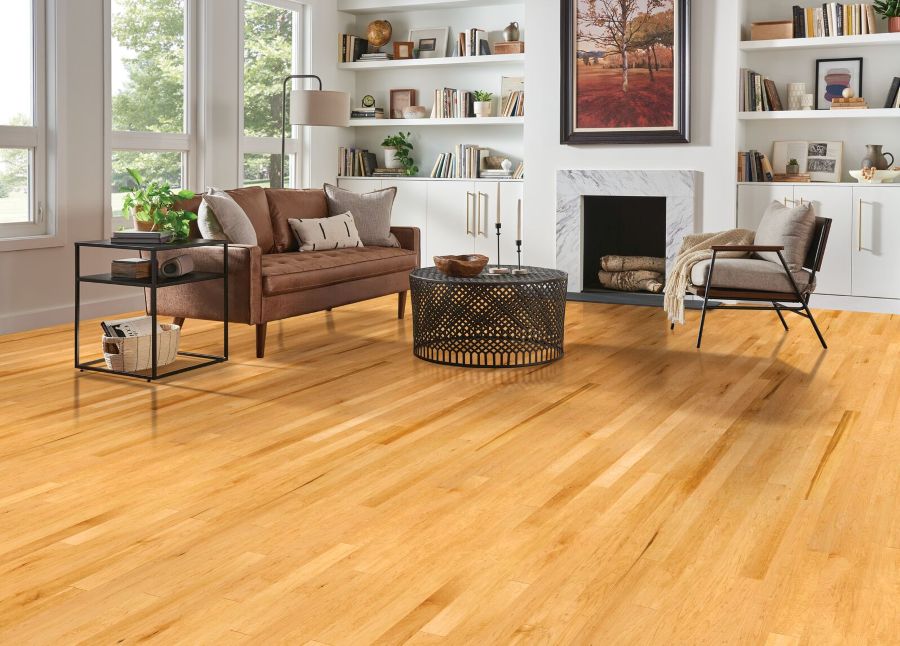
Maple is a low-maintenance floor, but its light color is unforgiving of neglect. A simple routine keeps it looking the way it did on day one.
Daily and Weekly
- Sweep or dry mop daily in high-traffic areas. Maple’s light color shows dust and pet hair readily.
- Use a microfiber dust mop rather than a broom, which pushes debris rather than collecting it.
Deep Cleaning
- Damp mop with a pH-neutral, wood-safe cleaner using a well-wrung mop. Avoid standing water on any hardwood floor.
- Never use steam mops, wet mops, oil soaps, or abrasive cleaners.
Protecting the Finish
- Place felt pads under all furniture legs
- Use entry mats at exterior doors to capture grit
- Keep indoor humidity between 35–55% year-round; a humidifier in winter helps prevent gapping
Refinishing
You can refinish solid maple when the finish shows significant wear or scratching. Because maple’s pale color makes scratches relatively visible, some homeowners choose to refinish more frequently than they would with a darker or more figured wood.
A full refinish typically costs $3–$8 per square foot when professionally done, with maple trending toward the higher end of that range due to its density (Source: Angi).
Get a full rundown on hardwood floor care.
Cost of Maple Wood Flooring
The cost to install maple wood flooring depends on the type of flooring you choose and how you install it. Most homeowners can expect to pay between $5 and $25 per square foot installed (Source: HomeAdvisor).
Simple Cost Breakdown
- Engineered maple: $5 to $20 per sq. ft.
- Prefinished maple: $5 to $15 per sq. ft.
- Solid maple: $10 to $25+ per sq. ft.
What Drives the Cost?
A few key factors impact your final price:
- Type of flooring: Solid maple typically costs more than engineered
- Installation method: Nail-down installs cost more than floating floors
- Subfloor prep: Repairs or leveling can add to the total
- Finishing: Site-finished floors cost more than prefinished floors
Compared to oak, maple flooring is often similarly priced but offers a harder surface and a cleaner, more modern appearance.
For most homeowners, engineered maple offers the best balance of cost, durability, and installation flexibility.
Is Maple Wood Flooring Sustainable?
Maple is a compelling choice for environmentally conscious homeowners. Hard maple is abundant in North American temperate forests, so it requires no long-distance international shipping.
According to the Maple Flooring Manufacturers Association (MFMA), six trees are planted for every one harvested in the U.S. Additionally, forest products companies and timberland owners plant almost 4.8 million trees per day, totaling 1.7 billion trees per year.
What to Look For
- FSC (Forest Stewardship Council) certification: Wood sourced from forests managed to strict environmental and social standards, with long-term forest health and biodiversity in mind
- PEFC certification: A parallel international certification framework
- LEED credits: FSC-certified maple can contribute to green building certifications
Engineered maple also has a sustainability advantage. Its construction uses less hardwood per plank than solid flooring, since only the top wear layer is premium hardwood. Manufacturers can make core layers from fast-growing or recycled materials.
Tips for Buying Maple Wood Flooring
Not all maple flooring is created equal. These are the questions worth asking before you commit.
- Confirm it’s hard maple: Ask explicitly, as products labeled simply as “maple” may use soft maple species (950 Janka)
- Check the grade: Clear/Select is most consistent and most expensive; Natural/Character grade includes more variation and costs less
- Wear layer thickness (engineered only): Look for a minimum of 2 mm; 3 mm or more if refinishing is important to you
- Finish type: Prefinished products are more convenient and typically more durable than site-finished floors
- Sourcing and certifications: Request FSC certification documentation from your retailer for peace of mind on sustainability
Is Maple Right for Your Home?
Purchasing any wood flooring can be nerve-racking. Do your homework. Compare samples of different species in your home to see how they look. Many companies, like Bruce®, also offer a room designer that lets you select a floor to see how it will look in your room.
Ultimately, maple wood flooring may be a good choice for you if:
- You want a modern, bright, or minimalist interior
- Have an active household with kids, pets, or heavy foot traffic
- Prefer natural or light finishes over stained looks
- Want something less common than oak without stepping into exotic species
The most common mistake homeowners make with maple is buying it, expecting to stain it dark later. Commit to maple’s natural light palette, and it will reward you with decades of clean, contemporary beauty.
Maple wood flooring is known for its durability, clean appearance, and ability to withstand high traffic.
Maple Wood Flooring FAQs
Is maple flooring harder than oak?
Yes. Hard maple has a Janka hardness rating of approximately 1,450, compared to 1,290 for red oak and 1,360 for white oak. Maple is harder and more dent-resistant than either of the oak species.
Can maple flooring be stained dark?
Not easily, and not well on the job site. Maple’s dense, closed grain resists stain penetration unevenly, leading to blotchy results. Dark stains on maple require factory-controlled finishing conditions. If you want dark floors, oak or walnut is a better species choice.
Does maple flooring turn yellow over time?
Yes, gradually. UV exposure will shift maple’s color toward a warmer golden-amber over time. That’s a natural characteristic. UV-blocking window treatments and protective finishes can slow the process.
Can maple flooring be installed in a basement?
Solid maple: no. Engineered maple: yes. The moisture and temperature conditions in basements may cause solid maple to warp or gap. Engineered maple is designed for exactly these conditions.
Is maple good for homes with pets?
Maple’s hardness resists dents from pet nails well. However, its light color makes pet hair and darker scratches more visible than on medium-toned or figured wood. Regular sweeping is essential.
How long does maple flooring last?
With proper installation and maintenance, solid maple can last 75–100 years and be refinished four to six times over that lifespan. Engineered maple typically delivers 25–50 years of service with one to three refinishing cycles, depending on wear-layer thickness.
Is maple flooring good for people with allergies?
Yes. Like all hardwood flooring, maple doesn’t trap allergens, dust mites, or pet dander the way carpet does, making it a common recommendation for allergy and asthma sufferers.
America is Built on Bruce® Flooring
Maple wood flooring isn’t the most common choice. And that’s exactly why it stands out.
It’s harder than oak, cleaner in appearance, and proven in some of the most demanding environments in the world.
If you’re looking for a floor that feels modern, performs under pressure, and doesn’t look like every other home, maple is one of the smartest choices you can make.
Bruce has been a trusted name in hardwood flooring for generations, dating back to 1884. It offers maple flooring in a range of styles and finishes built to perform in real homes.
Bruce is available at major home centers and retailers throughout the United States. Find a retailer near you.